About Lined Ball Valve
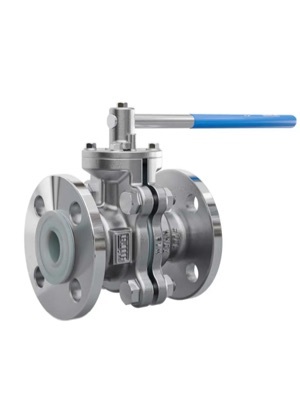
A lined ball valve is a high-performance industrial valve designed for corrosive, aggressive, and high-purity fluid applications. It combines the reliable shut-off capability of a ball valve with a protective internal lining that resists chemical attack and prevents contamination
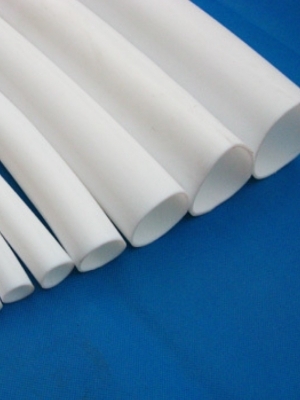
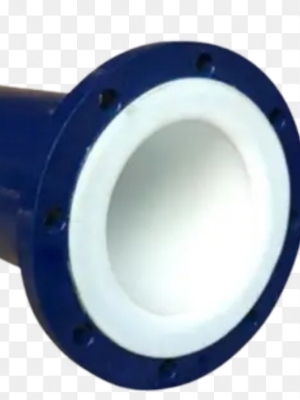
Robust Corrosion ResistanceThis lined ball valve utilizes premium PTFE, PFA, FEP, or ETFE linings along with SS304/SS316 internals to handle highly aggressive and corrosive media. Its durable construction guarantees exceptional protection in environments that challenge conventional valves, making it highly reliable for industries handling hazardous substances.
Flexible Operation ModesAdaptable to various operational needs, the valve can be manually actuated via lever or gear, or automated with pneumatic or electric actuators. Its versatile design ensures compatibility with automated process systems, providing dependable performance and control for both on-off and throttling applications.
Bubble-Tight Shutoff AssuranceThe valve offers a leakage rating of Class VI, delivering bubble-tight shutoff to prevent even the tiniest amounts of leakage. This feature is especially critical in processes that demand absolute containment of hazardous or expensive media, thus enhancing operational safety and minimizing loss.
FAQ's of Lined Ball Valve:
Q: How does the lined ball valve ensure reliable operation in highly corrosive environments?
A: The lined ball valve employs PTFE, PFA, FEP, or ETFE lining throughout all wetted surfaces, combined with corrosion-resistant materials like SS304/SS316 for the ball and stem. This construction safeguards the valve from aggressive chemicals, acids, and other corrosive substances, providing long-term durability and reliability.
Q: What types of end connections are available for this valve?
A: This ball valve comes standard with flanged end connections, adhering to ANSI B16.5 or EN1092-1 specifications. This ensures secure integration into a wide range of existing piping systems, supporting both American and European standards.
Q: When should a customer consider manual, pneumatic, or electric operation for this valve?
A: For applications requiring straightforward on/off control, manual lever or gear operation is suitable. Pneumatic and electric actuators are recommended for remote or automated control, frequent cycling, or integration with plant automation systems, improving efficiency and reducing manual intervention.
Q: Where are lined ball valves typically used?
A: These valves are ideal for industries such as chemicals, pharmaceutics, and acid processing, where they manage aggressive fluids requiring robust corrosion resistance. They are commonly installed in process pipelines, storage systems, and transfer lines involving harsh media.
Q: What is the process for selecting the appropriate seat and lining materials?
A: Material selection depends on the chemical compatibility with the process media and required operating temperature. PTFE suits a broad range of chemicals up to 200C, while PFA or FEP linings offer superior resistance for more aggressive or high-temperature environments. Choosing the right seat and liner ensures optimal performance and safety.
Q: How does the valve benefit operational safety and maintenance?
A: Featuring Class VI (bubble-tight) shutoff, blow-out proof stem, antistatic design, and optional fire-safe construction, this valve minimizes leakage risks and mitigates potential hazards. The robust lining reduces frequent maintenance caused by chemical attack, ensuring extended service life and decreased downtime.




 Send Inquiry


 Send Inquiry